Discover the Role of Steel Shops in Modern Production Processes
Metal factories are essential to the manufacturing landscape, transforming resources right into crucial elements for numerous markets. Their innovative techniques, consisting of 3D printing and CAD, enable the production of complex parts with marginal waste. On top of that, factories are progressively embracing sustainable methods to improve their environmental footprint. Understanding the complete range of these procedures discloses their considerable influence on industries like automotive and aerospace, prompting a better assessment of their advancing duty in modern-day manufacturing.
The Vital Features of Metal Factories
Metal factories play a crucial duty in the production market by changing basic materials right into functional steel products with various processes (Aluminum Foundry). These facilities are essential for producing elements used in countless sectors, consisting of vehicle, aerospace, and building. Foundries mainly concentrate on melting steel alloys and pouring them into mold and mildews to develop certain forms, a procedure known as spreading
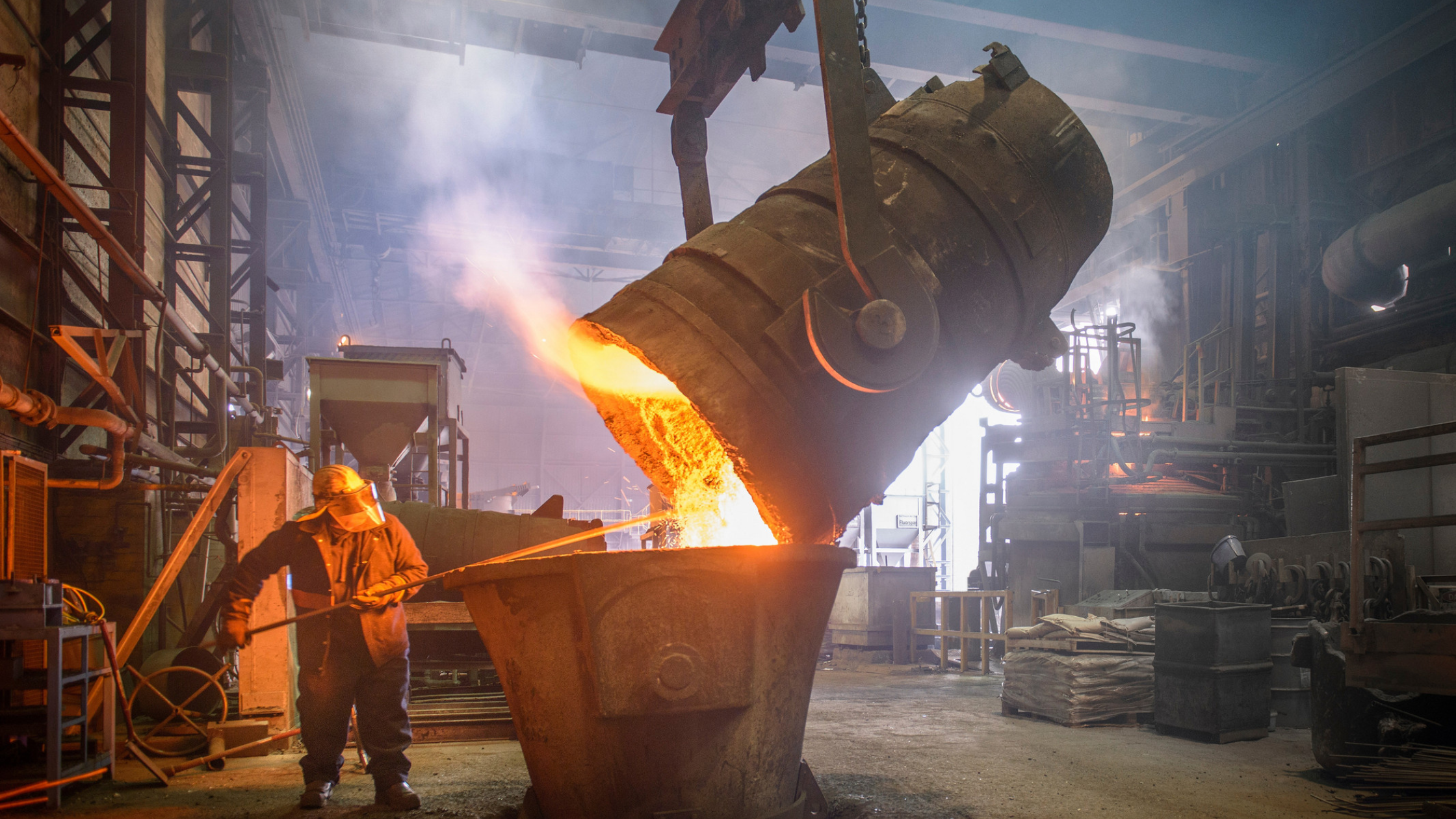
Shops give specialized solutions, such as warmth therapy, which improves the mechanical buildings of steel items. By helping with these vital functions, metal shops contribute substantially to the overall effectiveness and technology within the production landscape, enabling the manufacturing of a wide range of metal items.
Advanced Technologies in Steel Spreading
As the production sector develops, advanced modern technologies in metal casting are improving the landscape of manufacturing. Advancements such as 3D printing and computer-aided design (CAD) have actually considerably improved the performance and accuracy of casting procedures. These modern technologies allow factories to create intricate geometries that were previously difficult or impossible to attain, thus reducing material waste and boosting total quality.
Furthermore, automation and robotics have streamlined operations, lessening manual work while raising production speed. Incorporating sophisticated simulation software program permits shops to maximize casting designs and predict potential problems prior to production, additionally improving dependability.
The development of smart production systems, including the Web of Things (IoT), facilitates real-time tracking of processes, ensuring greater control over production criteria. These technological developments not just drive cost-effectiveness however likewise position steel foundries at the leading edge of contemporary manufacturing, allowing them to meet the advancing demands of different industries.
Sustainability Practices in Foundries
While the production market faces enhancing pressure to take on ecologically responsible methods, foundries are proactively implementing sustainability actions to reduce their eco-friendly footprint. Many foundries have actually accepted recycling campaigns, making use of scrap steel and various other products to minimize waste and preserve resources. Advanced modern technologies, such as energy-efficient furnaces and automated procedures, even more improve their commitment to sustainability.
Shops are also concentrating on minimizing emissions and improving air quality by taking on cleaner production techniques. Making use of ecologically pleasant binders and layers has actually gained traction, lowering harmful results in the spreading process. Furthermore, water conservation measures are being implemented, with closed-loop systems reducing freshwater consumption and wastewater discharge.
The Effect of Factories on Various Industries
Although typically ignored, factories play a crucial duty in supplying necessary parts across a varied variety of markets. These facilities are crucial in producing steel castings used in automotive, aerospace, equipment, and construction industries. In the automotive sector, shops give engine blocks, transmission instances, and other important parts, guaranteeing vehicles operate efficiently. Aerospace counts greatly on precision-cast components that fulfill rigid security standards, while building and construction business rely on durable and solid metal products for facilities tasks.
Moreover, shops add to the energy field by making parts for power generation equipment, consisting of turbines and generators. Their versatility reaches durable goods, where cast steel parts enhance product performance and longevity. By supporting various markets, factories not just bolster producing capabilities however additionally drive development and technological advancements, highlighting their significant effect on the international economy.
Future Patterns in Metal Foundry Workflow
Emerging innovations and progressing market demands are forming the future landscape of metal shop operations. Automation and robotics are increasingly being incorporated to improve effectiveness and lower labor expenses. Smart shops are leveraging information analytics check my reference and the Net of Things (IoT) to keep track of production processes in real-time, helping with anticipating upkeep and decreasing downtime.
Sustainability is additionally ending up being a focal factor, with shops embracing greener practices by reusing materials and decreasing power consumption. Advanced materials, such as lightweight alloys and composites, are acquiring traction, driven by sectors such as aerospace and auto looking for enhanced performance.
Additive manufacturing is emerging as a complementary modern technology, making it possible for the production of complex geometries that traditional approaches can not accomplish. As digitalization progresses, steel foundries are expected to take on even more adaptable manufacturing systems, permitting for personalized, on-demand manufacturing remedies. These fads suggest a transformative shift, placing steel foundries for a vibrant future in more info here manufacturing.
Regularly Asked Inquiries
What Materials Are Generally Made Use Of in Steel Foundries?
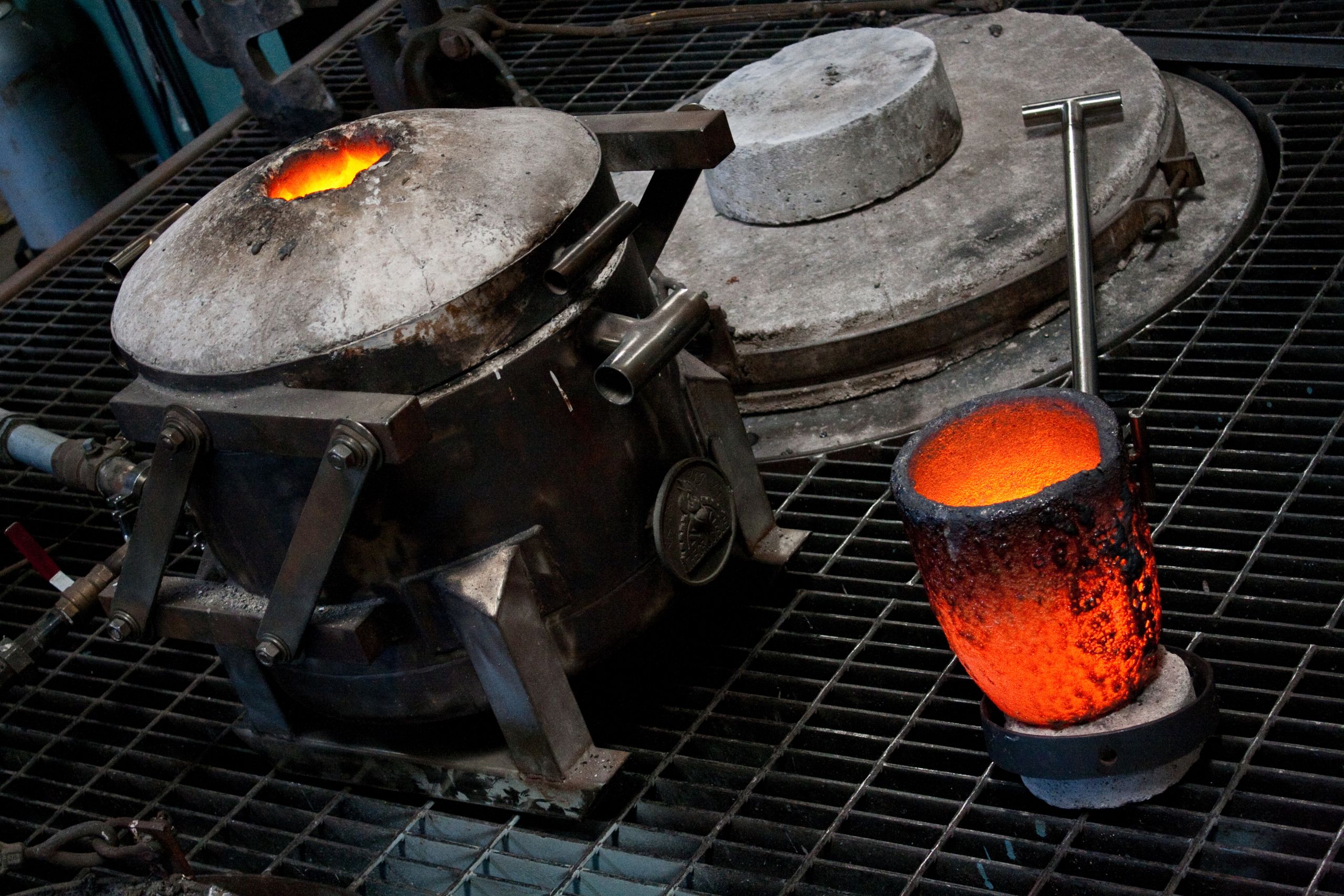
Steel foundries frequently make use of materials such as iron, aluminum, bronze, brass, and various alloys. These materials are chosen for their special buildings, enabling the manufacturing of varied components customized for details applications in many industries.
Exactly How Do Foundries Make Certain Quality Assurance in Production?
Factories carry out rigorous quality assurance procedures, consisting of material examinations, procedure monitoring, and testing of completed items. They make use of innovative innovations and criteria to assure consistency, reliability, and adherence to specs throughout the production procedure.
What Precaution Are Executed in Steel Factories?
Steel foundries carry out safety procedures such as personal safety tools, ventilation systems, regular safety and security training, and emergency procedures. These methods intend to minimize dangers related to heats, harmful fumes, and hefty equipment operations.
For how long Does the Steel Casting Process Usually Take?
The metal casting process usually takes several hours to days, depending on factors such as the intricacy of the style, sort of metal used, and cooling down times needed for the particular spreading technique employed.
What Are the Job Opportunities in Steel Foundries?
Profession opportunities in metal foundries include roles such as foundry specialists, metallurgists, quality assurance examiners, device drivers, i was reading this and production supervisors - Aluminum Foundry. These settings offer varied paths in production, engineering, and competent trades within the sector
Steel shops are essential to the manufacturing landscape, converting raw products into necessary elements for numerous fields. Steel factories play a vital duty in the production market by changing raw materials right into functional steel products with different processes. In addition to spreading, metal foundries likewise involve in procedures such as machining, where excess product is eliminated to achieve exact specifications. As digitalization advances, steel factories are expected to embrace even more flexible production systems, permitting for customized, on-demand manufacturing options. Job opportunities in metal shops include duties such as factory service technicians, metallurgists, quality control examiners, machine operators, and production managers.